Access Control for Small Premises: Simple Ways to Manage Who Can Enter and When
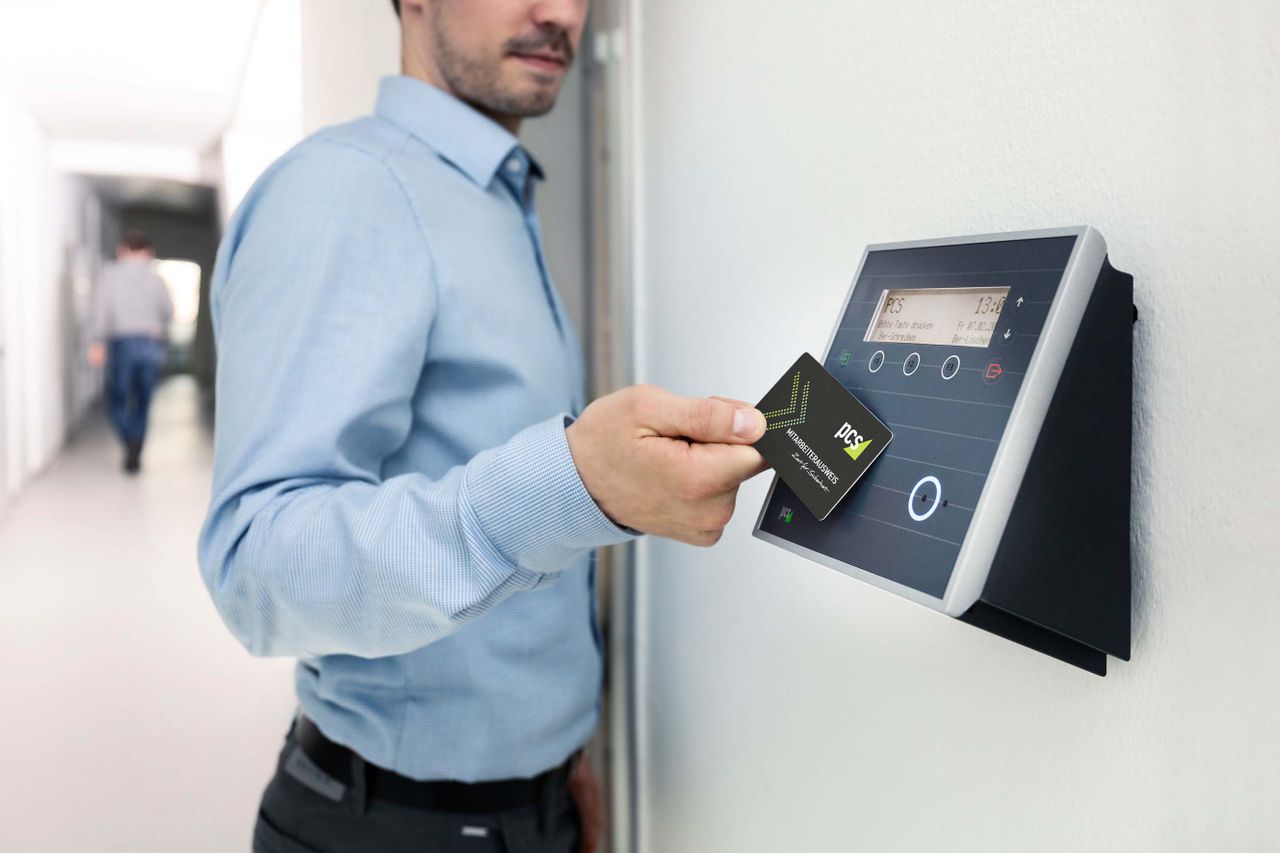
The right hardware choice depends on context. For small businesses, clinics, workshops, offices and shared residential buildings, the common problem is that keys are being copied, staff change regularly, a storeroom needs better control or the front entrance needs a cleaner way to admit visitors. This post breaks the decision down into practical checks: what the part does, which components interact with it, which measurements decide compatibility and which mistakes can make a repair fail early. Some guides focus only on smart locks; this post explains the mechanical hardware that still has to be right. It is written for everyday UK properties and uses plain, practical terms.
When small sites want better control without overcomplicating the entrance, the specialists at Locks & Hardware recommend assessing the existing lock and door closer first; their advice on access control helps connect electronic convenience with dependable hardware.
Begin with what is already fitted and how it behaves
The opening should be treated as a small system. Hardware, frame, hinges, keeps, handles and fixings all share load when a door or window is used. For this subject, pay particular attention to keypads, maglocks, electric releases, exit buttons, door closers, panic hardware, cylinders and door contacts. If one of those parts is loose, weathered, distorted or incorrectly aligned, a replacement fitted beside it may not last as long as expected.
Access control adds a management layer, but the door still needs sound mechanical hardware. A weak latch, misaligned closer or poor frame can undermine an electronic system. The inspection should be slow enough to catch minor clues. A latch that drops below its keep, a handle that needs lifting before the key turns, or a padlock that sits at an awkward angle can all point to a fit issue. These observations are often more valuable than a brand name, especially when older hardware has been replaced before.
The hardware relationships that decide performance
Every item has a neighbouring part that decides whether it performs properly. A lock needs a keep, a cylinder needs suitable furniture, a hinge needs firm fixings, and a window mechanism needs the sash to sit correctly. With keypads, maglocks, electric releases, exit buttons, door closers, panic hardware, cylinders and door contacts, the safest assumption is that movement and alignment matter as much as product quality. Good hardware can feel poor when it is working against a distorted frame.
Plan for normal access, emergency exit, power loss and code or credential changes before choosing devices. This is why a repair should not be judged only by whether the new part can be fitted. It also needs to operate without forcing, sit neatly with existing furniture, and leave enough clearance for normal movement. Where a door or window needs a trick to close, the hardware is already telling you that something is out of balance.
Measurements to record before buying
The measurements to write down are door type, power availability, escape route requirements, traffic volume, weather exposure and lock compatibility. Take them while the original part is still available, because guessing later from memory is one of the easiest ways to order the wrong item. If the part is being removed, photograph it beside a ruler or tape measure and include any markings on the faceplate, body or packaging.
It is also worth measuring the surrounding hardware, not just the part being replaced. A cylinder length depends on the door and handle thickness; a padlock shackle depends on the hasp or chain; a window handle depends on the spindle and mechanism beneath it. The receiving side of the hardware is often where the deciding measurement lives.
Balancing security with fit and daily use
Security depends on fit as much as on the rating printed on the product. Doors on escape routes must still allow safe exit, so access control should be specified around both security and life safety. This means standards and markings should be used as decision aids rather than shortcuts. A product that meets the right standard but is badly sized, poorly fixed or fitted into damaged material may not deliver the expected protection.
Think about the weakest point after the replacement is fitted. If the lock improves but the keep, hinge, hasp, frame or handle remains weak, the upgrade may simply move attention to the next vulnerable part. Balanced improvement is usually more effective than relying on a single upgraded component.
Fault signs and avoidable buying mistakes
The faults most likely to create repeat work are linked to adding electronics to a weak door, forgetting emergency egress and failing to plan how codes or credentials are updated. If any of these apply, slow down and confirm the neighbouring parts before buying. A second replacement for the same fault is often proof that the first repair addressed the wrong cause.
Look for patterns over time. Faults that worsen in cold weather, after rain or at a particular time of day may be linked to movement, swelling, corrosion or user habits. That pattern can change the best replacement choice, especially for external and high-use hardware.
Choosing for real use, not just the product listing
When several products could work, compare them against the way the opening is used. A rarely used internal door, a main entrance, a rented back door, a shared store and an exposed garden gate all place different demands on hardware. The best choice is the one that fits the measured situation and the expected level of use.
Daily use should shape the final decision. Consider who needs keys or codes, whether the opening is used at night, whether children or visitors interact with it, and whether weather exposure will affect maintenance. Hardware that suits real use is less likely to be bypassed, forced or left unsecured because it is awkward.
Putting the decision into a useful order
Before ordering, review the notes one final time. Confirm that the product category is correct, the measurements match, the handedness or orientation is known, the surrounding hardware is not damaged and the expected finish suits the location. If any point is uncertain, take another photograph rather than making a hopeful guess.
The practical answer is rarely to buy the first matching-looking item. A better result comes from noting what is fitted, understanding why it failed or needs upgrading, and selecting a replacement that suits the door, window, user and environment. That is the difference between a quick purchase and a durable repair.
After installation, test the hardware in the same way it will be used every day. Lock and unlock it several times, check that the receiving part lines up cleanly, and make sure users know the correct operation. For this topic, that means paying particular attention to keypads, maglocks, electric releases, exit buttons, door closers, panic hardware, cylinders and door contacts. A successful repair should feel consistent rather than merely new.
For external locations, include weather in the decision. Rain, grit, sunlight and cold conditions can influence finish, lubrication, corrosion resistance and the ease with which people use the hardware day after day.
READ ALSO: Best RDP Solutions for Secure and Efficient Remote Desktop Access